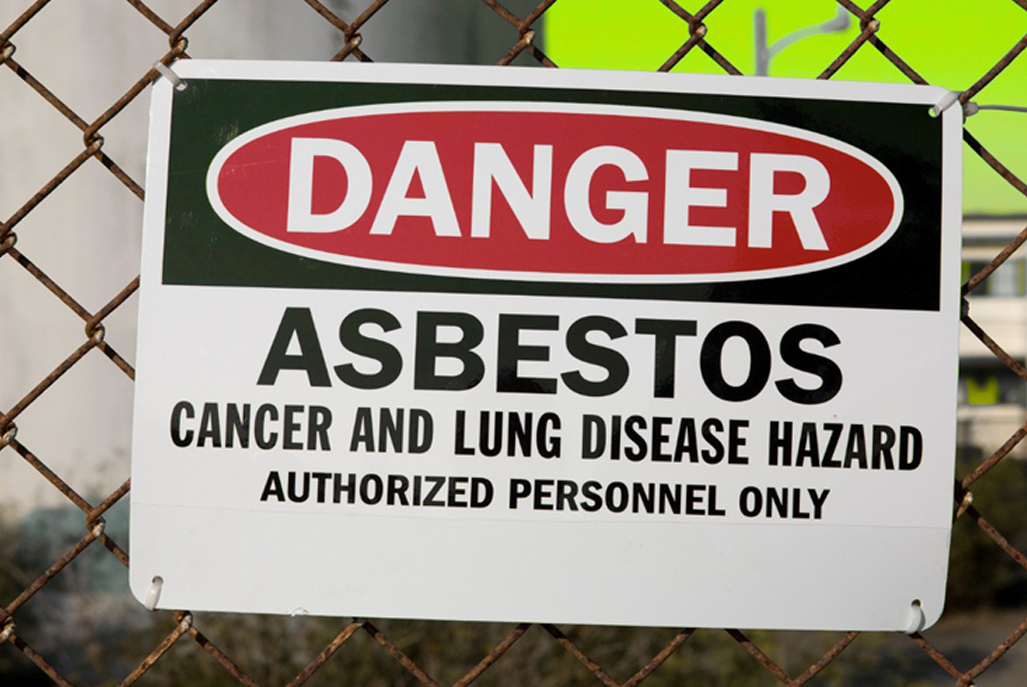
Asbestos shows up in a lot of safety conversations, but not everyone actually knows what it is, where it hides, or why it's treated as such a serious hazard decades after most uses were phased out. Here's a plain-English explanation.
Jump To:
What Is Asbestos?
Asbestos is a naturally occurring mineral fiber, prized for decades in construction and manufacturing because it's heat-resistant, durable, and doesn't conduct electricity. It was used extensively in building materials, insulation, and fireproofing products throughout much of the 20th century — particularly in buildings constructed before 1980.
Asbestos isn't a single material — it refers to a group of naturally occurring fibrous minerals, which is part of why it shows up in so many different products.
Why Is Asbestos Dangerous?
The danger isn't asbestos sitting undisturbed — it's what happens when asbestos-containing material (ACM) is damaged, cut, drilled, sanded, or otherwise disturbed. That disturbance releases microscopic fibers into the air. Those fibers are:
Invisible to the naked eye. You can't tell you're breathing them in, which makes asbestos exposure especially dangerous.
Capable of remaining in the lungs for decades. The body can't break asbestos fibers down or remove them effectively.
Linked to serious long term disease. Asbestos exposure is associated with conditions including asbestosis, lung cancer, mesothelioma, and pleural plaques.
Because symptoms often don't appear until decades after exposure, the danger is easy to underestimate in the moment — which is exactly why regulated handling and proper training matter so much.
Where Asbestos Is Commonly Found
Millions of square feet of legacy asbestos-containing material remain in schools, hospitals, factories, power plants, commercial buildings, and apartment complexes — especially those built before 1980. Common locations include:
Pipe and boiler insulation
Sprayed on ceiling and structural fireproofing
Floor tile and associated adhesives
Roofing and siding materials
Popcorn and textured ceiling finishes
HVAC duct insulation
If a building was constructed before 1980, OSHA's standard requires employers to presume that thermal system insulation, sprayed on surfacing materials, and asphalt or vinyl flooring contain asbestos unless testing proves otherwise.
Why This Matters for Renovation and Demolition Work
Asbestos isn't dangerous to a building's occupants under normal, undisturbed conditions — the risk appears specifically during renovation, demolition, maintenance, or repair work that disturbs the material. That's exactly why regulated abatement work requires trained, certified personnel rather than general labor: recognizing ACM before disturbing it is the single most effective way to prevent exposure.
What This Means for Workers and Employers
For workers, understanding what asbestos is and where it hides is the foundation of every level of asbestos training — from basic Awareness through hands-on Worker and Supervisor certification. For employers, it's the reason certification isn't optional box-checking: properly trained workers recognize ACM before disturbing it, follow correct containment procedures, and avoid accidental fiber release that could affect an entire building.
Get Trained
SafeCru offers the full range of asbestos certification levels — Awareness, O&M, Worker, and Supervisor — based in Indianapolis, with hands-on training for Worker and Supervisor courses.
The danger comes from disturbed asbestos releasing airborne fibers. Undisturbed asbestos-containing material in good condition generally poses less immediate risk, but it’s still regulated because any future disturbance — renovation, repair, demolition — creates exposure risk.
How do you know if a building has asbestos?
Buildings constructed before 1980 are presumed under OSHA’s standard to contain asbestos in certain materials unless testing proves otherwise. A licensed inspection is the only reliable way to confirm.
What health problems does asbestos cause?
Long-term exposure is linked to asbestosis, lung cancer, mesothelioma, and pleural plaques — serious conditions that often don’t show symptoms for decades after exposure.
Why can't I just avoid asbestos instead of getting certified to work around it?
For workers whose jobs involve maintenance, renovation, or demolition in older buildings, avoiding all contact isn’t realistic — legacy asbestos-containing material is common enough that proper training and certification is the practical path to working safely.
Want to understand which asbestos certification applies to your work?