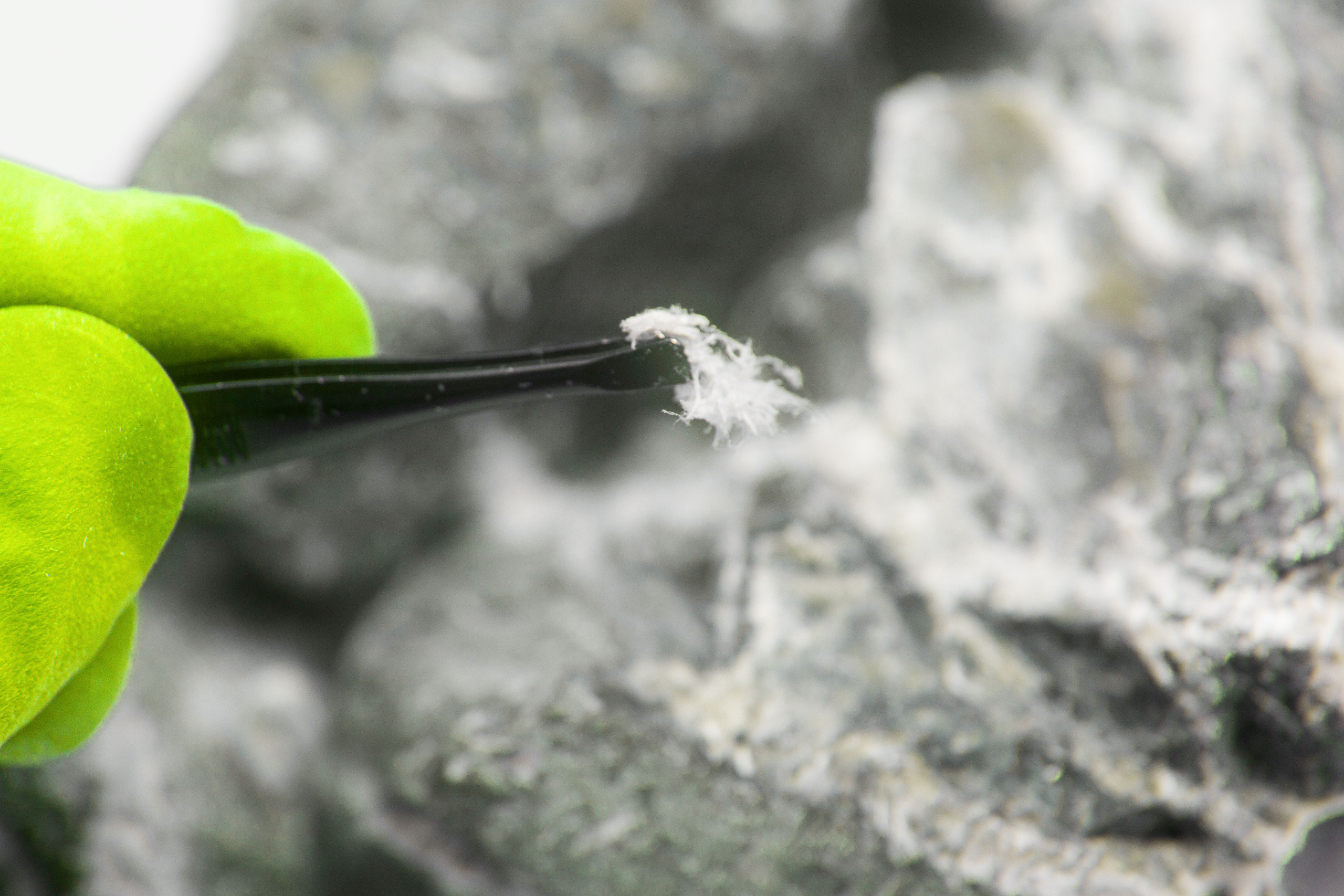
If you work in construction, renovation, or facility maintenance — especially in buildings built before 1980 — knowing where asbestos is likely to show up is one of the most practical safety skills you can have. Here's a breakdown of the materials most commonly affected.
Ir a:
Why Material Type Matters
Asbestos was valued for decades because it's heat-resistant, durable, and cheap to incorporate into building products. That's exactly why it ended up in so many different materials — insulation, flooring, roofing, and fireproofing all benefited from the same properties that make asbestos dangerous once disturbed.
Knowing which materials commonly contain asbestos doesn't replace testing or a licensed inspection — but it does tell you when to stop, ask questions, and treat a material as presumed asbestos-containing (PACM) until proven otherwise.
Common Asbestos-Containing Materials
Insulation
Pipe and boiler insulation (thermal system insulation, or TSI)
Aislamiento de conductos HVAC
Attic and wall insulation (specific older products, notably vermiculite insulation)
Flooring
Vinyl floor tile, particularly 9"x9" tiles common in mid 20th century buildings
Sheet vinyl flooring backing
Adhesives and mastics used to install flooring
Ceilings
Palomitas de maíz y acabados de techos texturizados
For buildings constructed before 1980, OSHA's construction standard requires employers to presume that thermal system insulation, sprayed on surfacing materials, and asphalt or vinyl flooring contain asbestos unless testing (polarized light microscopy) proves otherwise. That presumption exists because asbestos use in these product categories was so widespread prior to regulation that assuming the opposite, "probably fine," created real risk.
What This Means on the Job
If you're working in an older building and encounter any of the materials above — especially if they're damaged, being cut, drilled, sanded, or removed — the safe assumption is that it may contain asbestos until an inspection or test says otherwise. This is exactly what Awareness-level training is built to teach: recognizing these materials and knowing not to disturb them without proper precautions.
For anyone whose job actually involves disturbing, removing, or working directly around these materials — not just occasionally encountering them — a higher level of certification (O&M, Worker, or Supervisor) is likely required, depending on the scope of the work.
SafeCru's Asbestos Awareness course teaches workers to identify these materials and understand the associated hazards — a practical starting point for anyone who works in or around older buildings but doesn't perform hands-on abatement work.
Preguntas frecuentes
Does every old building have asbestos?
Not necessarily, but buildings constructed before 1980 are presumed under OSHA’s standard to contain asbestos in certain materials unless testing proves otherwise. A licensed inspection is the only reliable way to confirm.
Is vinyl floor tile always asbestos-containing?
Not always, but older vinyl floor tile (particularly 9″x9″ tiles) is common enough as an asbestos-containing material that it’s typically treated as presumed asbestos-containing in pre-1980 buildings until tested.
What should I do if I think I've found asbestos-containing material?
Stop disturbing it, and don’t sweep, drill, cut, or sand it. Treat it as presumed asbestos-containing material until a licensed inspection or test confirms otherwise.
Do I need certification just to know what asbestos looks like?
Awareness-level training covers recognition and hazard understanding without requiring the more extensive certification needed for hands-on removal work — it’s the right starting point for workers who may encounter these materials but won’t be disturbing them directly.
Want to learn to recognize asbestos-containing materials?